Commercial Moves in Sidcup
Reliable business relocation support for Sidcup companies
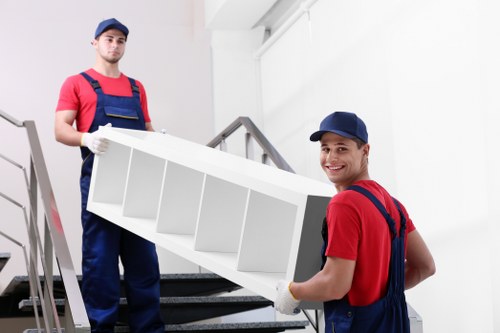
Commercial moves in Sidcup need more than a van and a few spare hands. When a business is relocating, expanding, downsizing, or rearranging workspaces, every hour matters. Equipment has to be protected, files have to stay organised, and staff need a smooth transition with as little disruption as possible. For local businesses in Sidcup, that often means working around busy roads, mixed-use premises, shared entrances, and limited parking. A well-planned move can make the difference between a stressful weekend and a Monday morning that runs almost normally.
Sidcup has a practical, working-town feel that suits a wide range of organisations, from offices and professional services to retail units, clinics, studios, and light industrial spaces. Commercial removals in Sidcup often involve more than simply moving desks and chairs. They may include IT equipment, stock, archive boxes, confidential paperwork, specialist furniture, and fragile items that need careful handling. Choosing a local team helps because they understand the pace of the area, the main access challenges, and the need to keep business moving while the relocation takes place.
If you are planning a business move in Sidcup, the best approach is usually to start with a clear plan. That means identifying what needs moving, what can be disposed of or recycled, what needs dismantling, and how the new premises will be set up. A professional commercial moving service can help you manage the process in stages, whether you are shifting a small office near Sidcup High Street, a larger workspace close to the railway station, or premises serving customers across surrounding areas such as Blackfen, Welling, Bexley, and Chislehurst.
What commercial moves in Sidcup typically involve

A commercial move is rarely just a transport job. It is often a carefully coordinated project involving planning, packing, lifting, dismantling, transport, unloading, and reinstallation. Businesses in Sidcup may need help with everything from a single department move to a full-site relocation. The type of service required depends on the size of the premises, the amount of furniture or stock involved, and the level of downtime the company can afford.
Common commercial relocation services include office removals, retail shop moves, warehouse transfers, student accommodation turnovers, and specialist moves for clinics or professional practices. Some businesses only need assistance with heavy lifting and transport. Others want a full service that covers packing materials, labelled crates, furniture disassembly, and careful placement at the new site. In many cases, the best solution is a tailored plan that fits the business rather than a fixed one-size-fits-all approach.
Sidcup businesses often operate from a variety of property types, including high street units, converted offices, business parks, industrial estates, upper-floor rooms, and mixed-use buildings. That variety matters because it affects access, loading, and timing. A move from a first-floor office with narrow stairs is very different from a ground-floor retail unit with rear access. An experienced team will look at these practical details before moving day so that the relocation is smoother and safer for everyone involved.
Why local knowledge matters in Sidcup

Local knowledge is useful for any business relocation, but it becomes especially important in an area like Sidcup where road conditions, parking, and shared access can affect timing. Some commercial buildings have limited loading space, while others are located on roads where stopping for too long is difficult. A local crew that knows the area can plan around these realities instead of treating every job the same. That can save time, reduce stress, and help avoid delays on the day.
Businesses near Sidcup High Street, around the station, or along busier routes may face different challenges from those in quieter side streets or business parks. The same applies to nearby areas such as Albany Park, New Eltham, Foots Cray, and Eltham borders. A local removals team can factor in school traffic, commuter patterns, and peak-time congestion when choosing arrival windows and vehicle positioning. Those details might sound small, but they can have a real effect on the success of a move.
Commercial removals in Sidcup also benefit from a team that understands the pressure on local businesses. In many cases, owners want the move completed outside working hours, over a weekend, or in carefully staged phases so staff can continue serving customers. The ability to work flexibly is a major advantage, especially when the move involves offices with live phone lines, customer-facing premises, or operational equipment that must be down for as little time as possible.
Types of commercial moves we can support

Every business has different needs, and the right moving service should reflect that. Some commercial relocations are straightforward, while others involve specialist handling or a phased schedule. Below are some of the most common types of business moves that Sidcup customers ask about.
- Office moves – desks, chairs, storage units, IT equipment, filing systems, and meeting room furniture.
- Retail moves – display units, stock, tills, shelving, and back-of-house equipment.
- Professional premises – practices, consulting rooms, reception furniture, records, and confidential materials.
- Light industrial moves – tools, benches, machinery, pallets, and work equipment.
- Warehouse and storage transfers – stock rotation, crate handling, shelving, and loading coordination.
- Multi-room or multi-floor moves – departments, teams, or sections of a business being moved in stages.
- Internal relocations – reorganising furniture and equipment within the same building.
Many businesses in Sidcup do not need a full relocation on every occasion. Sometimes they are refurbishing one floor, combining offices, or moving a department while the rest of the business stays open. In those cases, a flexible team can carry out a partial commercial move, helping you shift the right items at the right time with minimal interruption. This type of service is especially useful for businesses that need to keep customer service, operations, or staff access running throughout the process.
It is also worth remembering that commercial moving is not just about lifting and driving. There may be equipment that needs careful disconnection, items that should be labelled by department, or sensitive documents that require secure handling. A professional approach helps avoid confusion when everything arrives at the new premises and staff need to settle quickly.
What is usually included in a commercial moving service

The exact service will depend on the business and the scope of the move, but most commercial relocations include a combination of planning, packing support, transport, and careful unloading. Some businesses only ask for a straightforward collection and delivery service. Others want support from the earliest planning stage through to final placement of furniture and equipment.
Typical inclusions may involve:
- Initial assessment of the move requirements
- Planning the safest and most efficient order of operations
- Supplying packing materials or crates if needed
- Protective wrapping for furniture and sensitive items
- Disassembly and reassembly of office furniture
- Loading, transport, and unloading
- Placement of items in the correct rooms or zones
- Help with bulky, awkward, or heavy items
- Handling of archive boxes, stock, and equipment
- Coordination for access, parking, and timing
Some customers also ask about arranging moves in stages. This can work well for businesses that need to relocate over several days, or for organisations that want one department moved before another. Staged moves are often useful where premises remain open to clients or patients. They reduce disruption and make it easier to keep teams working while the relocation is under way.
How the process usually works
A good commercial moving process is designed to remove uncertainty. The more information gathered at the start, the easier it is to create a practical plan. For Sidcup businesses, that usually means a conversation about the old and new premises, the volume of items to be moved, access conditions, time restrictions, and any special handling needs.
The process often begins with a site discussion or a detailed inventory. This helps establish what needs to move, which items are fragile or heavy, and whether specialist equipment or extra team members will be needed. If the move involves offices, the team may also want to know how many workstations are being relocated, whether printers and servers are included, and if furniture must be dismantled before transport. The aim is to remove guesswork and identify any problems before moving day arrives.
Once the plan is agreed, packing and labelling can begin. This step is often overlooked, but it is one of the most useful parts of a business move. Clear labels help staff find what they need quickly after the relocation. Proper packing also protects confidential files, delicate electronics, and branded fixtures. On the moving day itself, the team loads items in a sensible sequence so the most important or delicate equipment is handled carefully and delivered in the right order at the destination.
At the new premises, unloading is just as important as loading. Furniture needs to be placed correctly, boxes should go to the right rooms, and heavy items should be set down safely. Some businesses also need help with reassembly or with arranging items in a way that allows staff to resume work quickly. A well-run commercial move is one where the business can open its doors, switch on, or restart operations with minimal confusion.
Preparation checklist for Sidcup businesses
Practical steps before moving day
Preparation is one of the biggest factors in a successful commercial relocation. Even a well-managed move can become more difficult if files are not labelled, workstations are left until the last minute, or access arrangements are not confirmed. Businesses in Sidcup can save time and reduce stress by working through a simple preparation checklist before the removals team arrives.
Useful preparation tasks include:
- Confirm the moving date and time window
- Notify staff of their responsibilities during the move
- Back up digital files and secure sensitive data
- Label boxes by room, department, or item type
- Decide which items are staying, moving, recycling, or disposing of
- Clear walkways and create space for safe loading
- Check parking and loading access at both addresses
- Separate essential items needed immediately after the move
- Disassemble or disconnect only if it has been agreed in advance
- Make sure keys, alarm codes, or building access arrangements are ready
For customer-facing businesses, it can also help to plan how service will continue during the transition. That might mean setting aside a small operational area, updating staff about temporary procedures, or moving non-essential departments first. A good move is not just about getting items from A to B; it is about keeping the business running with as little interruption as possible.
Extra tip for local premises
If your business is in a shared building, a parade, or a location with restricted loading, it is smart to speak with building managers or neighbouring occupiers early. This can help avoid access issues and keep everyone informed. In busy parts of Sidcup, that kind of coordination can make a noticeable difference on the day.
Pricing factors for commercial removals
What affects the cost of a business move
Customers often want to know what shapes the cost of a commercial removal. While exact figures depend on the job, several factors usually influence the quotation. Understanding these helps businesses compare options fairly and choose a service that suits the project rather than just the headline price.
Common pricing factors include:
- Volume of items – more furniture, boxes, stock, or equipment usually means more time and labour.
- Access conditions – stairs, lifts, narrow corridors, or limited parking can affect how long the move takes.
- Distance between premises – local relocations are generally simpler than longer cross-region moves, but travel still matters.
- Specialist handling – fragile IT equipment, heavy machinery, or confidential records may require extra care.
- Timing – out-of-hours, weekend, or phased moves may require more planning.
- Disassembly and reassembly – furniture breakdown and rebuild work can add to the service scope.
- Packing support – if materials or packing help are included, this will affect the overall quote.
It is often a false economy to choose the cheapest option if that means poor planning, rushed handling, or unexpected delays. For business customers, the main concern is usually value: a move that is organised, careful, and completed on time can save money indirectly by reducing downtime, damage risk, and disruption to staff. For many Sidcup companies, a tailored quotation is the most useful starting point because it reflects the actual needs of the premises and the nature of the business.
Why choose a local company for commercial moves in Sidcup
Local support that fits the area
There are practical reasons to use a local company for commercial moves in Sidcup. A local team is often easier to schedule, quicker to assess the premises, and better placed to respond if the move needs adjustments. They are also more likely to understand local traffic patterns, parking restrictions, and the layout of commercial buildings across the area.
Key advantages of a local service include:
- Familiarity with Sidcup roads and access conditions
- Better planning for loading and unloading times
- Flexible options for nearby businesses and mixed-use properties
- Reduced travel delays for local relocations
- Practical advice on difficult entrances, stairs, or shared spaces
- Support for surrounding areas such as Bexley, New Eltham, Blackfen, Welling, Foots Cray, Chislehurst, and Eltham
Local commercial moving services are especially useful for businesses that need quick turnaround times. If you are moving from one Sidcup unit to another, or from Sidcup to a neighbouring district, a nearby team can often inspect the job more easily and coordinate the move around your operating hours. That makes the service feel less disruptive and more manageable.
Another benefit is accountability. A local mover tends to build their work around repeatable, practical service standards because reputation in the area matters. When the job involves people’s livelihoods, confidential files, expensive equipment, and staff schedules, reliability is not a nice extra; it is part of the service that businesses expect.
Common challenges during office and business relocations
Planning around real-world obstacles
Commercial removals can face a range of obstacles, and Sidcup businesses are no exception. A good moving team looks at those obstacles early so they can be managed properly instead of becoming last-minute problems. Some challenges are obvious, while others only appear once packing begins.
Examples of common moving-day challenges:
- Limited access for larger vehicles
- Restricted parking or shared loading areas
- Heavy office furniture that needs dismantling
- IT equipment requiring careful handling
- Confidential documents and archive storage
- Multi-floor moves with stairs or smaller lifts
- Busy customer-facing environments where operations must continue
- Breakdowns in labelling or box organisation
These issues are easier to solve when they are anticipated. For example, if access at the new premises is awkward, it may be better to schedule the heaviest items first or use a different loading sequence. If the business has a large amount of filing, it may be wise to keep certain document boxes separate so that they can be unpacked in priority order. A skilled commercial mover should be able to adapt to these situations without creating unnecessary fuss.
Good communication between the business and the removals team is essential. If the move involves sensitive or unusual items, it helps to explain that in advance. This allows the team to bring the right equipment, allocate enough time, and avoid rushed decisions on the day.
Who commercial moves are suitable for
Businesses across Sidcup and nearby districts
Commercial moves are suitable for a wide range of organisations. In Sidcup, that can include small companies with a few desks, established firms with multiple departments, and local traders moving stock or equipment between units. The service is also useful for organisations that are changing premises temporarily during refurbishments or fit-outs.
Typical customers include:
- Office-based businesses
- Retailers and showroom operators
- Clinics and professional practices
- Educational or training facilities
- Creatives and studios
- Light industrial and workshop users
- Charities and community organisations
- Growing businesses moving to larger premises
Because Sidcup sits close to a number of busy residential and commercial districts, it is also common for businesses to move into or out of nearby areas without going far. That can be a practical advantage, particularly if staff live locally and the company wants to preserve continuity. Whether the move is small or substantial, the right service should make it easier to get set up again with confidence.
Helpful for both planned and urgent moves
Some relocations are arranged months ahead, while others happen quickly because a lease has changed, a space needs clearing, or business needs have shifted. A flexible commercial removals service can help with both kinds of situation by focusing on organisation, safety, and practical support from start to finish.
Frequently asked questions about commercial moves in Sidcup
What local customers often want to know
How far in advance should I book a commercial move?
It is best to arrange the move as early as possible, especially if you need weekend or out-of-hours work. Early booking gives more time to plan access, packing, and staffing.
Can you move a business while it stays open?
Yes, many businesses choose phased moves or out-of-hours scheduling so they can continue operating. The approach depends on the layout of the premises and the type of work involved.
Do I need to pack everything myself?
Not necessarily. Some businesses prefer to pack in-house, while others want support with packing materials, labelling, and handling fragile items. The right choice depends on your budget, time, and the sensitivity of the items.
What if my new premises have poor parking or tight access?
That is very common in local commercial moves. A professional team should assess both addresses in advance and plan the vehicle position, loading order, and timing accordingly.
Can you move IT equipment and office electronics?
Often yes, but this should always be discussed in advance. Computers, printers, and similar items may need special packing or disconnection arrangements so they travel safely.
Is commercial moving only for large companies?
No. Small businesses, start-ups, and sole traders with work premises can all benefit from a professional move. Even a modest office relocation can be disruptive without proper planning.
What happens to items we no longer need?
Many businesses choose to separate unwanted furniture, archive material, or outdated equipment before the move. Depending on the service offered, there may be options to remove, recycle, or dispose of surplus items as part of the relocation plan.
Making the move easier for your team
Practical steps that reduce downtime
A business move is not just a logistics project; it affects staff, customers, suppliers, and day-to-day routines. That is why many Sidcup businesses prefer a removals approach that focuses on continuity as well as transport. The smoother the process, the sooner employees can settle into the new space and return to normal work.
One useful strategy is to identify priority items before anything is packed. These might include computers, telephones, filing systems, or front-of-house furniture. By moving the essentials first and keeping them clearly marked, staff can find what they need quickly. Another smart step is to create a small “first day” area at the new premises so the business can function while the rest of the move is completed.
It also helps to keep the process simple for your staff. If everyone knows what to pack, what to leave alone, and where to place items at the destination, there is less confusion. A good moving team can support this by advising on labelling, route planning, and the order in which items should be loaded and unloaded.
For many local firms, the best outcome is a move that feels organised from beginning to end. That means fewer interruptions, fewer surprises, and less pressure on the people who still have a business to run while the relocation is taking place.
Areas covered around Sidcup
Local and nearby business locations
Commercial relocation services in Sidcup often cover businesses in surrounding neighbourhoods as part of the same working area. This is useful for companies that are moving only a short distance, as well as those that are changing premises between nearby districts. Common service areas may include:
- Sidcup town centre and surrounding business streets
- Blackfen
- Welling
- Bexley
- New Eltham
- Foots Cray
- Eltham
- Chislehurst
- Albany Park
- Nearby mixed residential and commercial zones
Because many local businesses operate across neighbouring districts, it is helpful to have a team that can manage short-distance relocations efficiently. A local company is often a strong choice when you want a practical move with less travel time, less disruption, and more control over timing. If your business is expanding into a larger space or consolidating several sites into one, this local coverage can be particularly valuable.
Need a move planned around your business hours?
Contact us today to discuss your commercial move in Sidcup, request a free quote, or book your service now. Whether you are relocating an office, moving stock, or changing premises, a local team can help you plan the next step with confidence.
Final thoughts for Sidcup businesses planning a move
Moving a business is a major task, but it does not have to feel overwhelming. With the right planning, the right equipment, and a removals team that understands the local area, commercial moves in Sidcup can be managed in a way that protects your assets and supports your operations. The key is to start early, be clear about what is being moved, and choose a service that matches the reality of your premises and your schedule.
Whether you are relocating a small office, transferring retail stock, or coordinating a larger workplace move, a local commercial moving service can provide the practical support needed to keep things on track. From access planning and careful lifting to labelling, transport, and setup at the new address, every stage matters. When each part is handled properly, the move feels less like a disruption and more like a well-organised step forward for the business.
If your Sidcup company is preparing for a relocation, now is the time to request a free quote and discuss the details. The earlier the move is planned, the easier it is to control timing, protect equipment, and reduce downtime. For businesses that want a reliable, local approach to commercial moves in Sidcup, professional help can make all the difference.